







Signs Your Excavator Rock Breaker Needs Immediate Servicing
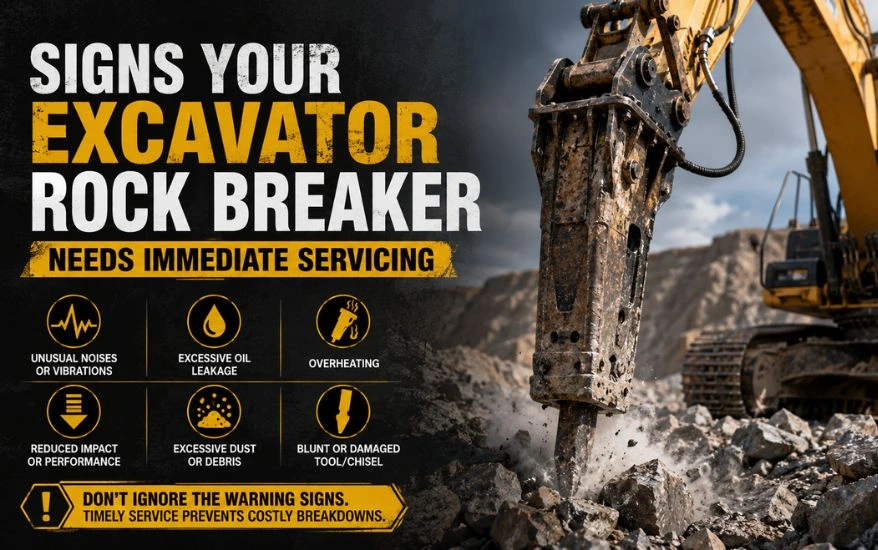
A rock breaker works in extreme conditions. It absorbs shock, pressure, vibration, and heat every single minute. When it runs well, productivity stays high. When it fails, work stops instantly.
For contractors and fleet owners in India, downtime means idle labour, delayed deadlines, and lost revenue. That is why early detection matters.
Here are the clear warning signs your excavator rock breaker needs immediate servicing, before a minor issue turns into a costly repair.
When to Consider Rock Breaker Servicing
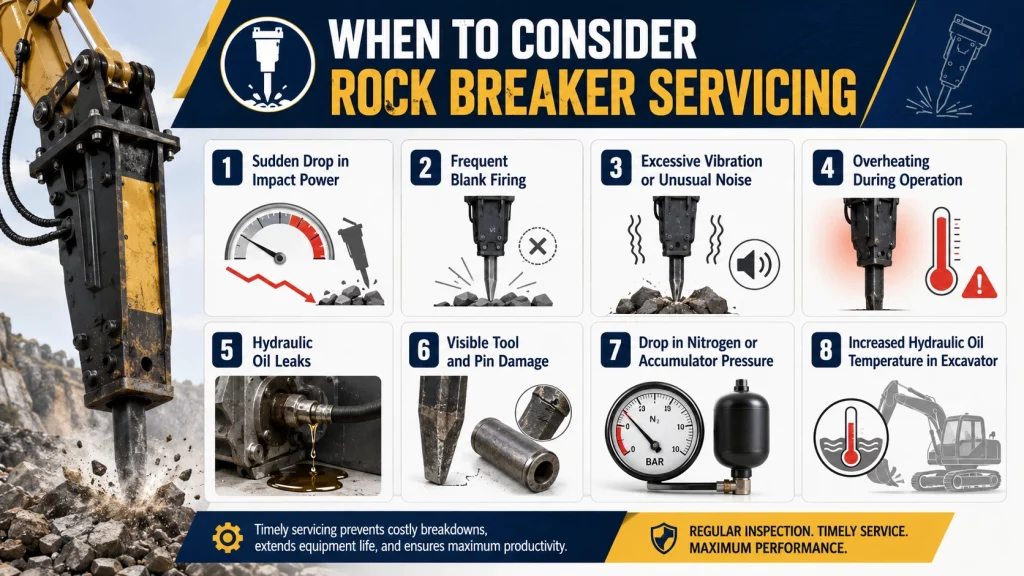
Machines usually show signs before breaking down completely. Here are a few things to consider:
1. Sudden Drop in Impact Power
If the breaker feels weak or struggles to crack material, do not ignore it.
Loss of impact energy usually indicates:
- Low hydraulic flow
- Incorrect operating pressure
- Internal seal wear
- Nitrogen pressure drop
- Control valve issues
Check the carrier’s hydraulic pressure first. Confirm that operating pressure matches the breaker’s recommended range. If pressure is correct but performance is still low, internal wear may be the cause.
A breaker should strike consistently and forcefully. Any noticeable drop is a warning sign. If you’re unsure which model suits your excavator’s hydraulic capacity, refer to our rock breaker size selection guide.
2. Frequent Blank Firing
Blank firing happens when the hammer strikes without proper tool contact against rock. This is one of the fastest ways to damage a hydraulic breaker.
Repeated blank blows can:
- Crack the piston
- Damage retaining pins
- Wear internal bushings
- Reduce the accumulator life
Blank firing often happens when the operator:
- Applies incorrect angle
- Lifts the breaker while striking
- Works too long in one position
- Uses the breaker as a prying tool
If you hear sharp metallic “air blows,” stop work immediately and inspect the tool seating and bushes. Learn more about how hydraulic hammers function to understand why this matters.
3. Excessive Vibration or Unusual Noise
A healthy rock breaker produces a controlled, rhythmic sound.
Servicing is overdue, if you notice:
- Loud metallic knocking
- Irregular striking rhythm
- Sudden vibration through the excavator arm
- Rattling from the housing
Possible causes include:
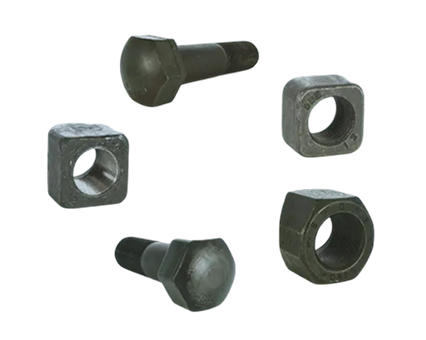
- Loose through bolts
- Worn dampers
- Damaged bushings
- Internal piston scoring
Ignoring vibration can lead to structural damage to both the breaker and the carrier. Tighten bolts and inspect damping components immediately. Worn pins and bushes are a common culprit and should be inspected at the first sign of abnormal vibration.
4. Overheating During Operation
Heat generation when using a hydraulic breaker is normal. Overheating is not. If the breaker becomes excessively hot or the tool tip starts deforming (mushrooming), that indicates improper operation or lubrication issues.
Common reasons include:
- Working too long in one spot
- Inadequate greasing
- Poor hydraulic oil quality
- Blocked return lines
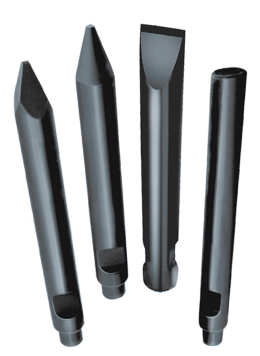
Continuous striking in one location for more than 20–30 seconds builds excess heat. Move the tool slightly to allow stress distribution. Always grease the tool shank at recommended intervals — typically every two hours under normal operating conditions. You can find compatible chisels and tool shanks on our website.
5. Hydraulic Oil Leaks
Any oil leak is serious. So, operators should also inspect the rock breaker for signs of leaks.
Check for:
- Oil around hose fittings
- Wet areas near seals
- Dripping from connections
- Foamy hydraulic oil
Hydraulic contamination damages internal components quickly. If oil appears milky or foamy, air may be entering the system. Replace damaged hoses immediately. Inspect seals and ensure proper torque on fittings. Never continue operating a breaker with visible leaks.
6. Visible Tool and Pin Damage
Inspect the chisel and retaining pins daily.
Warning signs include:
- Cracks on the tool body
- Excessive chisel wear
- Bent retaining pins
- Swollen or jammed pins
Using a breaker for prying or lifting causes uneven wear. That leads to pin deformation and internal stress. Replace worn tools before cracks deepen. Continuing to operate with damaged pins risks tool ejection — a major safety hazard. Know when to replace excavator pins and bushes to stay ahead of this issue.
7. Drop in Nitrogen or Accumulator Pressure
The accumulator plays a critical role in impact efficiency and shock absorption.
If nitrogen pressure drops:
- Striking power reduces
- Vibration increases
- Internal parts wear faster.
Periodic pressure checks are essential. Low gas pressure must be corrected by trained technicians using proper charging equipment. Do not attempt random gas filling without correct specifications.
8. Increased Hydraulic Oil Temperature in Excavator
Sometimes the issue shows up in the carrier, not the breaker. If hydraulic oil temperature rises unusually during breaking operations, the breaker may be:
- Overworking
- Internally leaking
- Running at incorrect pressure
High temperature reduces oil life and damages pump components.
This is closely connected to overall excavator undercarriage health — an overworked machine wears faster at every point.
If your excavator heats up significantly during breaking, schedule an inspection immediately.
Quick On-Site Maintenance Checks for Contractors
Before ending each shift, operators should:
- Grease the tool shank.
- Check hose connections
- Inspect the tool and retaining pins.
- Look for visible cracks or oil seepage.
- Ensure bolts remain tight.
Weekly or every 50 hours:
- Inspect front bushings
- Check the accumulator pressure.
- Examine the tool wear pattern.
Every 250 hours:
- Check hydraulic flow and relief pressure.
- Inspect internal seals
Every 500–1000 hours:
- Replace seal kits
- Inspect piston condition
- Check diaphragm integrity
Preventive maintenance always costs less than emergency repair. For a full range of DOZCO rock breaker models suited to your excavator class, explore our product lineup — from the compact D40 to the heavy-duty D155.
When to Stop Work Immediately
Using a malfunctioning attachment can lead to accidents. Remove the breaker from operation if you notice:
- Repeated blank firing
- Loud internal knocking
- Heavy oil leakage
- Tool slipping repeatedly
- Sudden impact force loss
Continuing work in these conditions damages both the breaker and the excavator.
Why Early Servicing Protects Your Fleet Investment
Rock breakers represent a significant capital expense. For fleet owners running multiple machines, even one failure can disrupt project schedules.
Proactive servicing helps to:
- Extend breaker life
- Protect excavator hydraulic systems.
- Reduce downtime
- Prevent costly internal rebuilds.
- Improve fuel efficiency
In India’s demanding job site conditions, whether mining, roadwork, or quarry operations, hydraulic breaker attachments face constant stress. Regular inspection keeps your machines productive.
Final Word
A rock breaker rarely fails without warning. It gives signs, such as weaker strikes, unusual noise, overheating, or oil leaks. The key is to act early. Train operators to recognise these signals. Follow a structured maintenance schedule. Address small problems before they grow. In heavy equipment operations, prevention is not optional. It is part of smart fleet management.
FAQs
Q.1. How do I know if my excavator rock breaker needs servicing?
If you notice any of these warning signs, such as reduced impact power, unusual vibration, blank firing, overheating, oil leaks, or worn tools, consider inspecting and servicing.
Q.2. What causes a drop in rock breaker impact power?
Low impact force usually results from insufficient hydraulic pressure, worn internal seals, nitrogen pressure loss, or incorrect oil flow from the excavator’s hydraulic system.
Q.3. What is blank firing in a hydraulic rock breaker?
Blank firing happens when the breaker strikes without proper contact with the rock. Repeated blank blows can damage pistons, bushings, and retaining pins, reducing the attachment’s lifespan.
4. How often should a rock breaker be serviced?
Basic inspection should occur daily. You should check bushings and pressure every 50 hours. Seal kits and internal components usually require inspection or replacement after 500–1000 operating hours.
Author Details