







Excavator Undercarriage Failures: Common Causes and How to Prevent Downtime
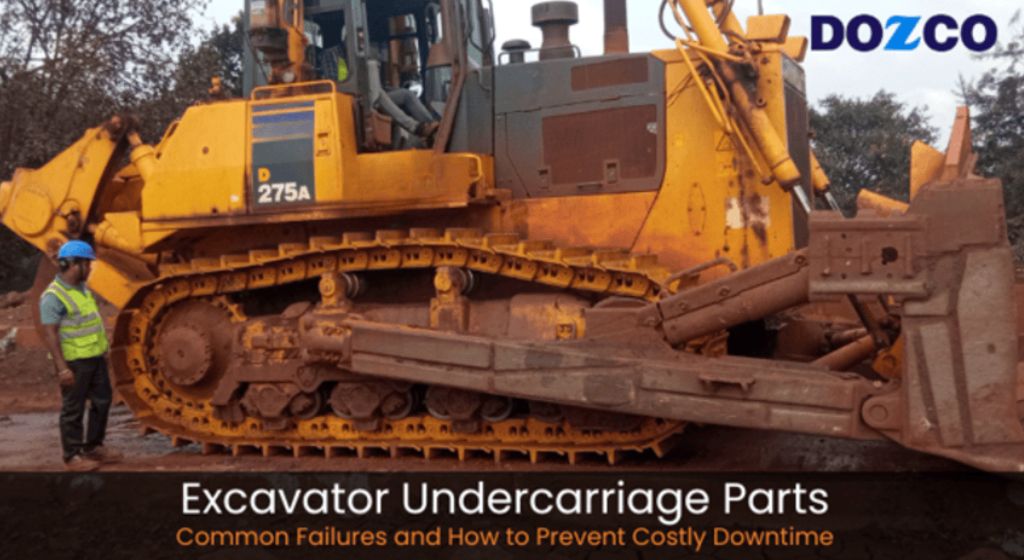
For tracked excavators, the undercarriage system supports the entire weight of the machine and transmits motion. These systems also manage ground interaction. Therefore, undercarriage failures can be a serious safety concern. This undercarriage of excavator breakdown is primarily driven by wear mechanisms caused by contact, relative motion, and load. Excavator undercarriage parts failures increase maintenance costs and create unscheduled downtime if not managed proactively. When a component is already past saving, DOZCO supplies replacement excavator undercarriage parts for a wide range of machine brands.
In this article, we will discuss the factors that affect excavator undercarriage components, the operating conditions that accelerate their degradation, and the maintenance practices to prevent costly downtime.
What Are the Primary Excavator Undercarriage Parts?
The undercarriage system of an excavator includes various components. The primary parts include:
- Track Chains & Track Shoes,
- Sprockets,
- Rollers,
- Idlers, and
- Track Guards.
Why do Undercarriage in Excavator Wear and Fail?
For different parts, different factors cause component wear, ultimately leading to failure. For instance:
1. Track Chain, Links, Pins & Bushings
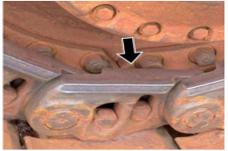
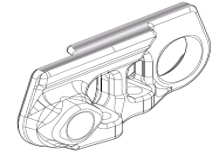
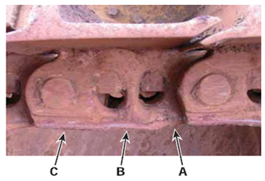
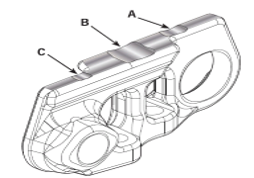
Link Tread Wear
It usually occurs due to the constant contact between the link rail and track rollers at higher surface pressure in narrow areas. When operators frequently turn the machine or use the excavator for downhill or uphill travel, this speeds up the wear.
As the link surface wears down, the excavator starts to vibrate, the link height decreases, and the roller flange eventually hits the pin boss. Once that interference begins, both parts wear rapidly, and the chain often has to be replaced earlier than expected
Link Side Wear & Scalloping
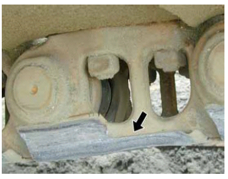
When the machine travels frequently, turns often, or works sideways across a slope, the link tread sides rub against the sprocket teeth, idler flanges, and roller flanges. This puts uneven side-thrust on the undercarriage and, over time, causes uneven side wear, scalloping, and chain misalignment.
Link tread side wear
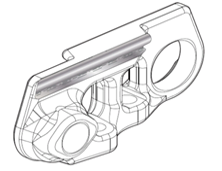
Link tread Scalloping
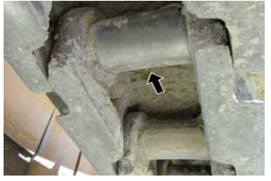
Pin & Bushing Wear (Internal)
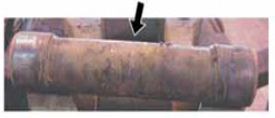
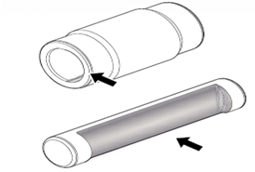
When the excavator moves, the pin rotates inside the bushing. If lubrication breaks down, internal wear increases, and the pitch elongates. The chain becomes “snaky,” and the sprocket doesn’t mesh properly
Pin & Bushing wear (Internal)
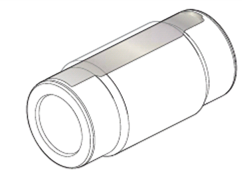
Bushing wear (External)
2. Sprockets
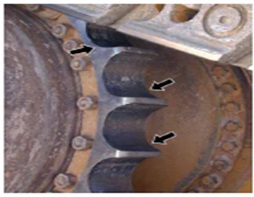
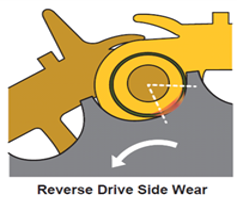
Forward / Reverse Drive Side Wear
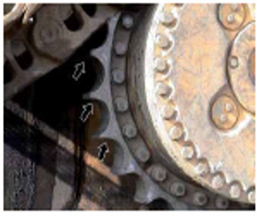
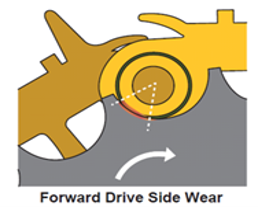
Every time an excavator moves, the sprocket teeth rub against the bushing. Wearing in forward travel is normal, but wearing in reverse is harsher on the bushing because it carries more force. When the machine changes direction often, the bushing slides slightly in the sprocket and wears in a curved (radial) pattern.
The bushing wall becomes thinner, may crack, and no longer matches the sprocket pitch. This speeds up sprocket wear and can lead to sudden bushing failure and downtime.
Forward Drive Side Wear
Reverse Drive Side Wear
Root/Radial Wear
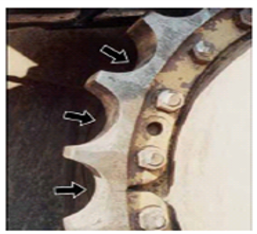
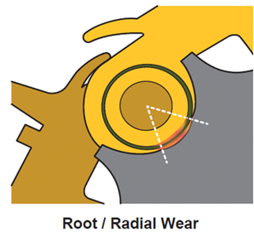
When the machine changes direction, the bushings shift slightly inside the sprocket and scrape the root area. The sprocket root wears away, the tooth form degrades, and the pitch no longer aligns with the chain. This misalignment accelerates both sprocket and chain wear.
Root/Radial Wear
3. Rollers (Lower & Carrier)
Tread Wear & Flat Spots
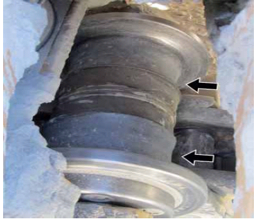
Rollers roll on the link rail. However, when the track is packed with mud or debris, it restricts the roller‘s movement. As a result, wear increases and flat spots can form. As the tread wears down, the flange appears taller and may contact the link boss or bushings, accelerating wear.
Lower roller tread wear
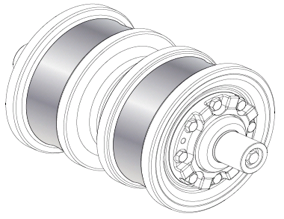
Carrier roller tread wear
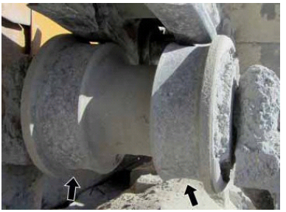
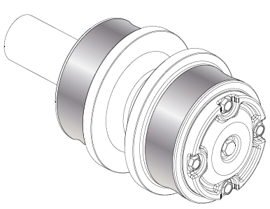
Carrier roller flat spot wear
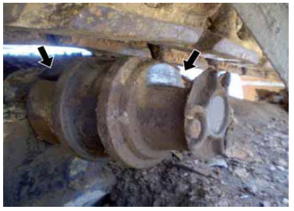
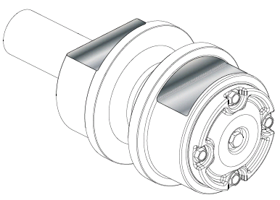
Flange Wear
Misalignment, wide shoes, and side-slope work push the chain sideways and wear the flange. Poor chain guidance increases link side wear and also accelerates bushing wear.
Lower roller flange side wear
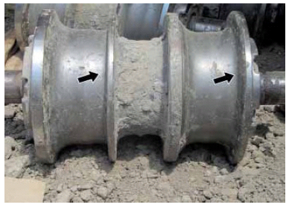
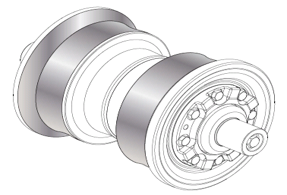
Lower roller flange top wear
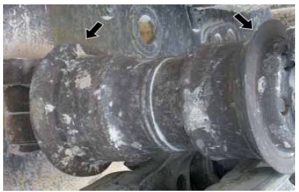
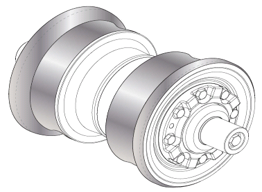
Carrier roller flange side wear
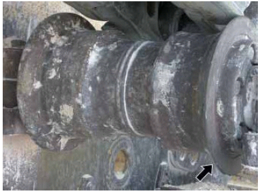
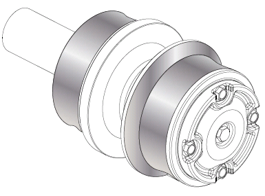
Carrier roller flange top wear
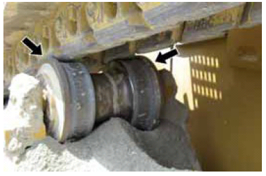
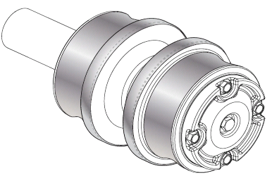
Seal Failure
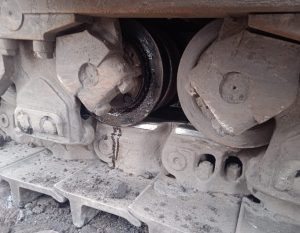
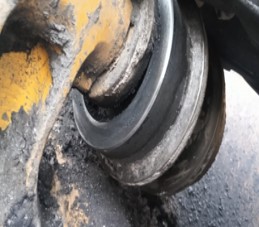
Roller seals get damaged due to various factors such as impact, packing, heat, or incorrect tension. When the seal fails, wear accelerates, leading to early component failure. This directly increases downtime and operating cost. Lubrication leaks out, rollers run dry, and eventually seize.
That is, DOZCO rollers are manufactured of hardened shells and strong sealing systems. This slows down seal leakage even when working in harsh, abrasive environments.
Lower roller seal failure
Carrier roller seal failure
4. Idlers
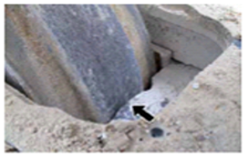
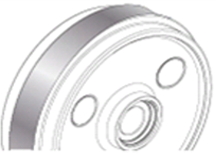
Flange Wear
Flange wear occurs mainly due to misalignment and side-thrust. As the flange wears away, chain guidance decreases, link side wear increases, and the track may not run straight.
Idler tread wear
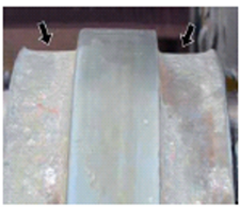
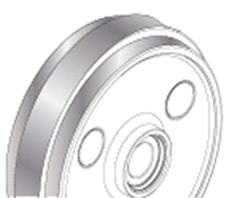
Idler flange side wear
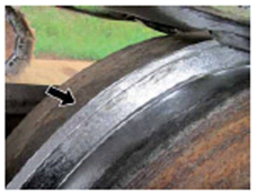
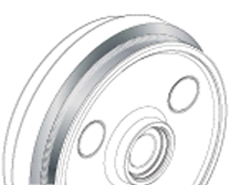
Idler top flange wear
Tread Cracking
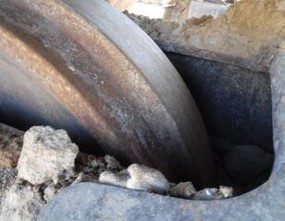
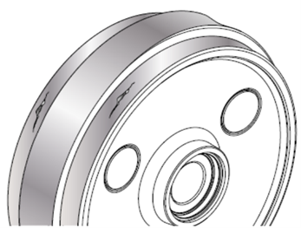
When tracked excavators move through rocky soils, the tread might crack. This can also happen with improper tension, leading to premature idler replacement.
DOZCO idlers are ISO-certified, machined for dimensional accuracy, and fitted with heavy-duty seals to maintain lubrication and prevent ingress.
Idler tread cracking
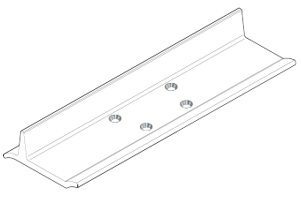
5. Track Shoes
Grouser & Plate Wear
Track shoes constantly scrape against soil and rock. Sharp turns and oversized shoes put extra stress on the plates. As the surface wears down, traction drops and the machine loses grip, especially on slopes or loose ground. Severe impact or side-loading can also bend or crack the shoes over time.
Shoe grouser wear
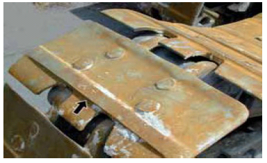
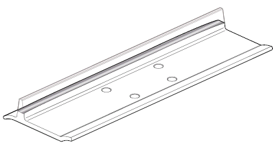
Shoe plate wear
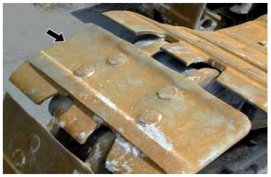
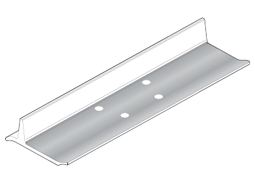
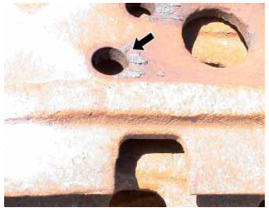
Bolt Hole Elongation & Bolt Failure
If the bolts are loose or the shoes are bent, it can cause chain failure. Operators might have to replace the full chain as well, which is an expensive investment. To prevent this, DOZCO manufactures shoes in multiple grouser profiles for application-specific traction and structural durability.
Bolt hole elongation
Prevention & Maintenance Practices to Avoid Costly Downtimes
Unplanned downtimes are expensive. When the excavator undercarriage parts fail, the cost doesn’t just include purchasing new spare parts. You also lose hours of productivity. Your project gets delayed.
However, you can avoid these to a certain extent. Here are a few prevention and maintenance practices:
- Always perform daily visual inspections.
- Check lubricated joints for heat or dry joints.
- Maintain correct track tension.
- Clean packing materials, such as mud or sand.
- Check the shoe bolt torque (new chains: 50 hrs, then 250 hrs).
- Rotate pins & bushings at service limits.
- Avoid unnecessary reverse travel.
Conclusion
Excavator undercarriage failures come from predictable wear mechanisms. When operators understand the root cause, failure mode, and prevention pathway, the machine lasts longer, and the cost-per-hour drops. At DOZCO, we help you choose the right undercarriage components based on machine size and working environment.
However, you must schedule routine inspection and tension checks. With a little maintenance and careful operation practices, operators can delay premature wear, avoid unplanned downtime, and stretch service life across the fleet.
FAQs
Q.1. How serious is undercarriage damage?
Undercarriage damage is serious because it affects motion, guidance, and load support, leading to higher wear, safety risk, and costly downtime.
Q.2. Can undercarriage damage be fixed?
Yes. Depending on how worn the parts are, they can often be replaced, adjusted, or serviced before they fail and force a full chain replacement.
Q.3. Can you drive with a damaged undercarriage?
You can. But it accelerates wear on other components and increases failure risk, downtime, and repair cost.
Q.4. How long does an excavator undercarriage last?
The lifespan of an undercarriage component varies based on operating conditions, turning style, alignment, tension, soil type, and maintenance practices; proper care significantly extends service life.
Q.5. How to know if an undercarriage is damaged?
There are usually early signs. For instance, you might notice vibration, misalignment, snaky track movement, uneven side wear, seal leaks, bent shoes, loose bolts, or abnormal noise.
Author Details