







Are mini excavators useful for land preparation and irrigation work?
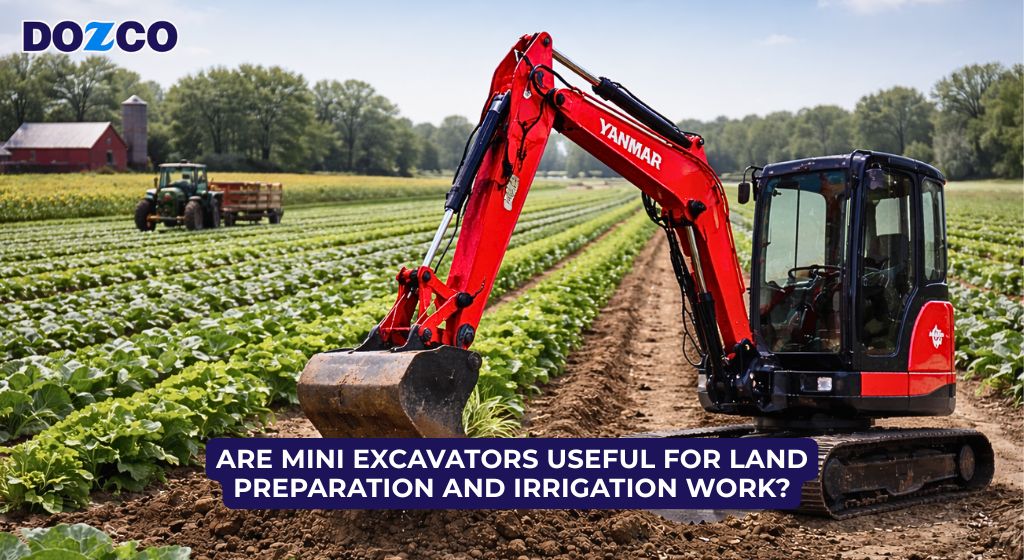
Land preparation and irrigation development are critical components of any agriculture and rural infrastructure project. Traditionally, these require either a large machine or the use of manual labor. However, modern equipment, such as a mini excavator, has made the process faster, more accurate, and cost-effective.
In modern times, contractors and project owners are increasingly using mini excavators for land preparation due to various advantages. These mini excavators offer flexibility, compact size, and the ability to work with different excavator attachments. These mini excavators are versatile, as they can be used to perform land-based construction functions, such as trench work, soil leveling, excavation of irrigation drains, and lightweight earthmoving activities.
Why Mini Excavators Are Ideal for Land Preparation
Mini-excavators are smaller than regular-sized excavators and can handle digging and moving dirt when there is limited space and where larger machines cannot operate easily.
When you prepare land to grow crops, you are working around existing fields, trees, irrigation pipelines, and narrow paths. Compactor excavators have more control of the machine in this restricted environment.
Mini excavators can perform several tasks, including:
- Digging irrigation trenches
- Removing small rocks and roots
- Leveling soil for farming
- Preparing land for plantation
- Creating drainage channels
Mini-excavators work very well on farms, in orchards, and in projects with rural development due to their compact design.
Excavator Attachments That Improve Land Preparation
Mini-excavators can use many different types of excavator attachments. By changing multiple excavator attachments on a mini-excavator, you can do many different agricultural or excavation jobs with the same machine.
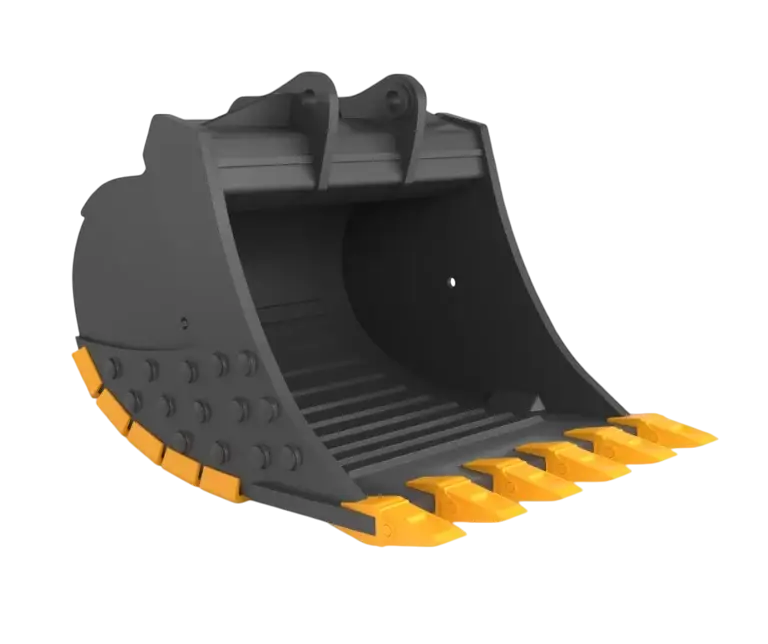
Excavator Buckets for Soil Work
Excavators have many different types of buckets that work best to prepare the land. Excavator buckets are used to dig trenches, remove soil, and move loose material.
Different types of excavators have different buckets, each designed for a specific purpose. Standard buckets are used for digging holes in the soil, while rock buckets are used for the handling of rock or abrasive materials found in certain types of terrain.
You can dig faster and with less wear on your excavator’s working parts, such as bucket pins, excavator pins, and bushes, by using the correct bucket type for your job.
Earth Auger Attachments for Irrigation Projects
For agricultural purposes, another very useful attachment is an earth auger attachment. Augers are designed to drill holes quickly for various uses, such as installing irrigation pipes, installing fence posts, and creating planting pits.
An auger attachment spins through the soil and brings out the material very well. There has been a marked increase in demand for earth auger attachments in India, particularly related to irrigation projects, solar projects, and rural infrastructure development.
When properly fitted with an earth auger attachment, mini excavators become versatile tools that can perform different farming and irrigation jobs.
When Rock Breaking Is Required
In some regions, preparing land for use will require breaking tiny rocks or very hard soil. You can attach a hydraulic or Rock Breaker to your excavator in this situation.
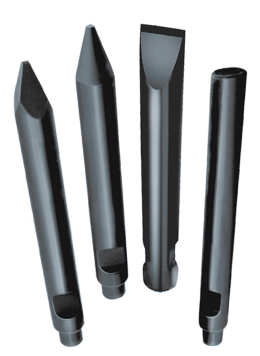
A compact excavator Rock Breaker can be used to break up rocks that stop the development of irrigation channels or trenching. The Rock Breaker uses hydraulic energy through the hydraulic Rock Breaker chisel to make it easier for the operator to break tough surfaces.
There are different types of Rock Breaker chisels depending on the type of job you are doing. These tools can be used to break concrete, rocks, and many other tough materials that you may encounter when developing your land.
Soil Preparation and Ground Loosening
Soil layers tend to become compacted after long periods of agricultural activity, as well as by natural conditions. Occasionally, this compaction needs to be broken up before creating irrigation channels or planting pits.
One way of accomplishing this goal is by using an excavator ripper attachment to penetrate the dense soil layer and loosen up the compacted material, making it much easier to excavate out of the area before preparing for the installation of the irrigation infrastructure.
Once the ground has been loosened, the excavator bucket can quickly remove the loose material and prepare the construction site for the installation of the irrigation infrastructure.
Importance of Undercarriage Strength
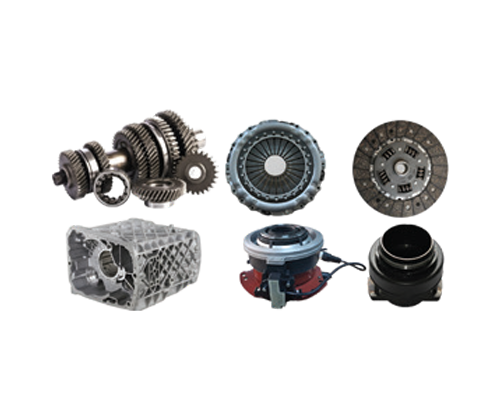
Land preparation often involves working on uneven terrains, such as farms, slopes, or muddy ground. The durability of excavator undercarriage parts is a key element in helping maintain the stability of the machine, allowing it to continue to perform as required.
Using quality undercarriage parts will enable the machine to perform well over rough surfaces while providing the necessary traction. This is critical when working for long periods in agricultural areas or remote construction sites.
Furthermore, doing regular inspections of the undercarriage will help to eliminate premature wear on the undercarriage parts, which in turn will improve the reliability of the equipment.
Advantages of Using Mini Excavators for Irrigation Work
There are many advantages to using a mini excavator for land preparation. Some of the advantages are:
Better maneuverability
Mini excavators allow for greater flexibility and better maneuverability than any other type of piece of equipment.
Multi-attachment capability
Mini excavators can be attached to different attachments such as buckets, augers, rippers, and breakers, allowing one mini excavator to perform many different types of work.
Lower operating cost
Compared to larger pieces of construction and agricultural equipment, mini excavators use far less fuel to operate and require far less maintenance.
Improved efficiency
Mini excavators enable faster and more efficient completion of land preparation, trenching, and irrigation tasks.
Conclusion
Modern agriculture and irrigation projects require a lot of flexibility and the ability to perform work quickly and efficiently. Therefore, utilizing a mini excavator for preparing land can be a perfect solution for the needs of designing trenches, preparing soil, and installing irrigation systems.
FAQs
Can I use a mini excavator on my farm?
Yes. A mini excavator digs trenches, levels soil, removes rocks, and creates drainage channels. It fits easily in tight spaces like narrow farm paths and between crop rows where bigger machines cannot go.
What attachments make a mini excavator useful for irrigation work?
You can use buckets for digging, earth augers for drilling pipe holes, Rock Breakers for hard ground, and rippers for loosening compacted soil. One machine handles all these jobs just by switching the attachment.
Is a mini excavator cheaper to run than a large machine?
Yes. It burns less fuel, needs less maintenance, and one machine can do multiple jobs with different attachments, which brings your overall project cost down significantly.
Why do farmers prefer mini excavators over large machines?
Mini excavators are compact, easy to maneuver, and cause less damage to surrounding crops and fields. They give the operator better control in restricted spaces where larger machines simply cannot work.
Author Details